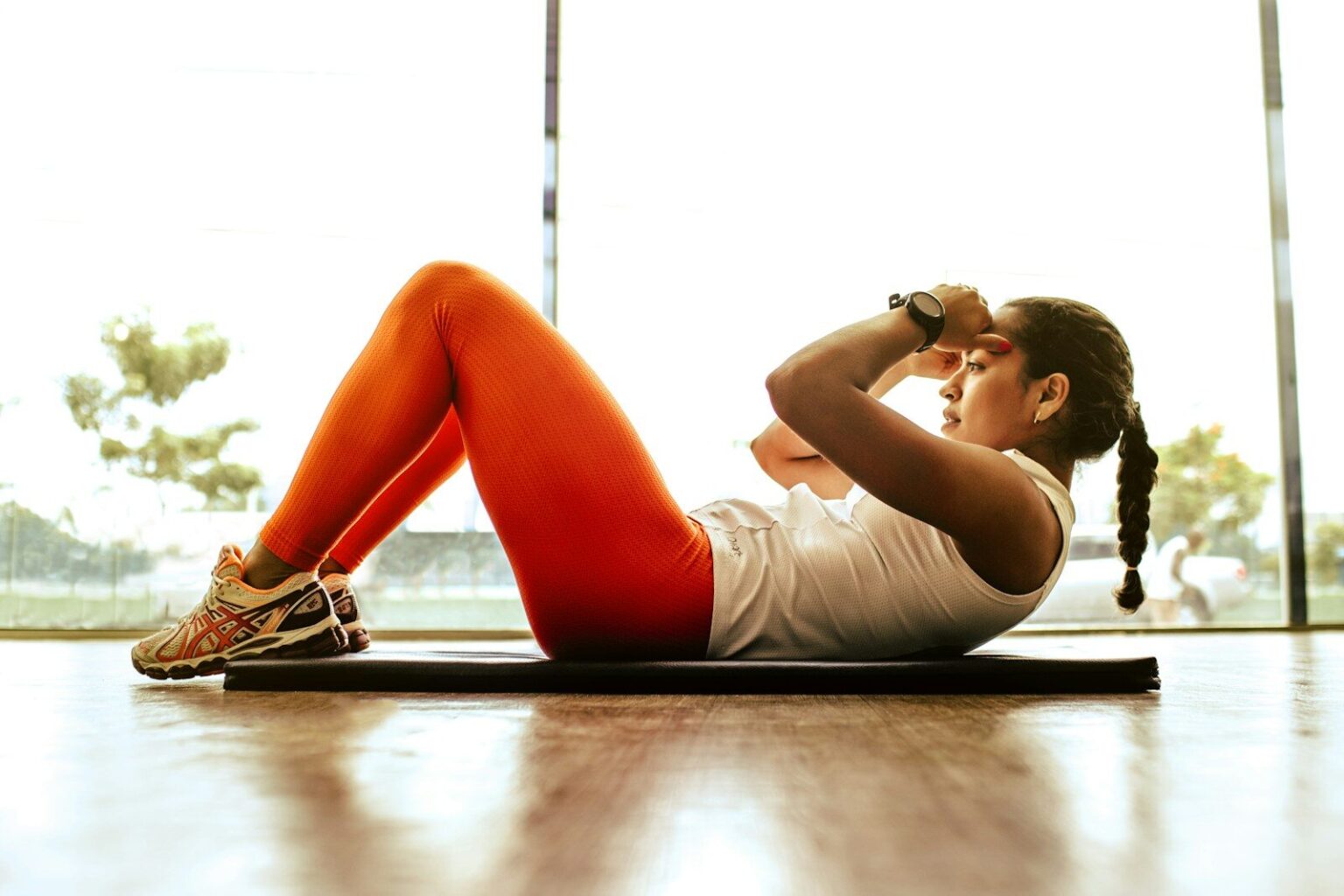

When people think about strengthening their core, they often focus on achieving toned abdominal muscles. However, the true purpose of core strength goes far beyond appearance. A strong core provides stability for your spine, supports healthy movement, and helps reduce strain on your back and hips during everyday activities.
That’s why exercises like planks and bridges are considered excellent #ForeverExercises—simple movements that can benefit your body throughout every stage of life.
What Is Your Core?
Your core is made up of a group of muscles that work together to stabilize your trunk and pelvis. These muscles include:
- Abdominal muscles
- Deep spinal stabilizers
- Pelvic floor muscles
- Diaphragm
- Hip and gluteal muscles
Together, they create a strong foundation that supports nearly every movement you make, from walking and lifting to bending and reaching.
Why Core Strength Is Important
Weakness in the core can contribute to poor movement patterns and place extra stress on surrounding muscles and joints. Over time, this may increase the risk of:
- Lower back pain
- Hip discomfort
- Poor posture
- Reduced balance and stability
- Increased risk of injury
Maintaining core strength helps your body move more efficiently and provides support for daily activities as well as recreational and athletic pursuits.
Why Planks Are a Great #ForeverExercise
Planks are one of the most effective exercises for building core stability because they engage multiple muscle groups simultaneously.
Benefits of Planks
- Strengthen deep core muscles
- Improve spinal stability
- Support better posture
- Enhance balance and body control
- Reduce unnecessary stress on the lower back
A properly performed plank focuses on maintaining alignment rather than holding the position for an extended period.
Why Bridges Are a Great #ForeverExercise
Bridges target the gluteal muscles, hamstrings, and core while promoting stability through the hips and pelvis.
Benefits of Bridges
- Strengthen the glutes and hips
- Improve pelvic stability
- Support lower back health
- Enhance functional movement
- Counteract the effects of prolonged sitting
Strong gluteal muscles play a crucial role in supporting the lower back and helping the body move efficiently.
Tips for Performing These Exercises Safely
Plank Tips
- Keep your body in a straight line from head to heels.
- Avoid allowing your hips to sag or lift excessively.
- Engage your core while breathing normally.
- Start with shorter holds and gradually increase duration.
Bridge Tips
- Keep your feet flat on the floor and knees bent.
- Lift your hips in a controlled manner.
- Squeeze your glutes at the top of the movement.
- Lower slowly and with control.
Quality movement is more important than the number of repetitions performed.
Building Strength for the Long Term
One of the best aspects of planks and bridges is their versatility. They can be modified for beginners, progressed for more advanced individuals, and incorporated into almost any fitness routine.
These exercises support healthy movement patterns that remain valuable throughout life, making them ideal examples of #ForeverExercises—movements that help maintain strength, stability, and function for years to come.
Make Core Strength Part of Your Routine
Strong core muscles help create a stable foundation for everything from household tasks and recreational activities to sports and exercise. By incorporating simple exercises like planks and bridges into your routine, you can support your back, hips, posture, and overall mobility.
Small, consistent efforts today can help build strength that benefits you for years to come.
Important Disclaimer: Before performing any exercise, stretch, mobility activity, balance exercise, or physical activity described in this article, you should consult a qualified healthcare practitioner, physiotherapist, or physician to determine whether the activity is appropriate for your individual health status, fitness level, and medical history.
The information provided in this article is for educational and informational purposes only and is not intended to replace professional medical advice, diagnosis, or treatment. Participation in any exercise or physical activity is undertaken at your own risk.
By choosing to perform any exercises, stretches, or activities described herein without first consulting a qualified healthcare practitioner, you acknowledge and accept full responsibility for your participation. PhysioIT, its practitioners, employees, affiliates, and contributors assume no liability for any injury, loss, damage, or adverse outcome that may result from the use or misuse of the information provided in this article.