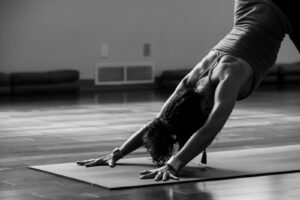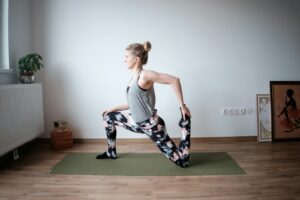
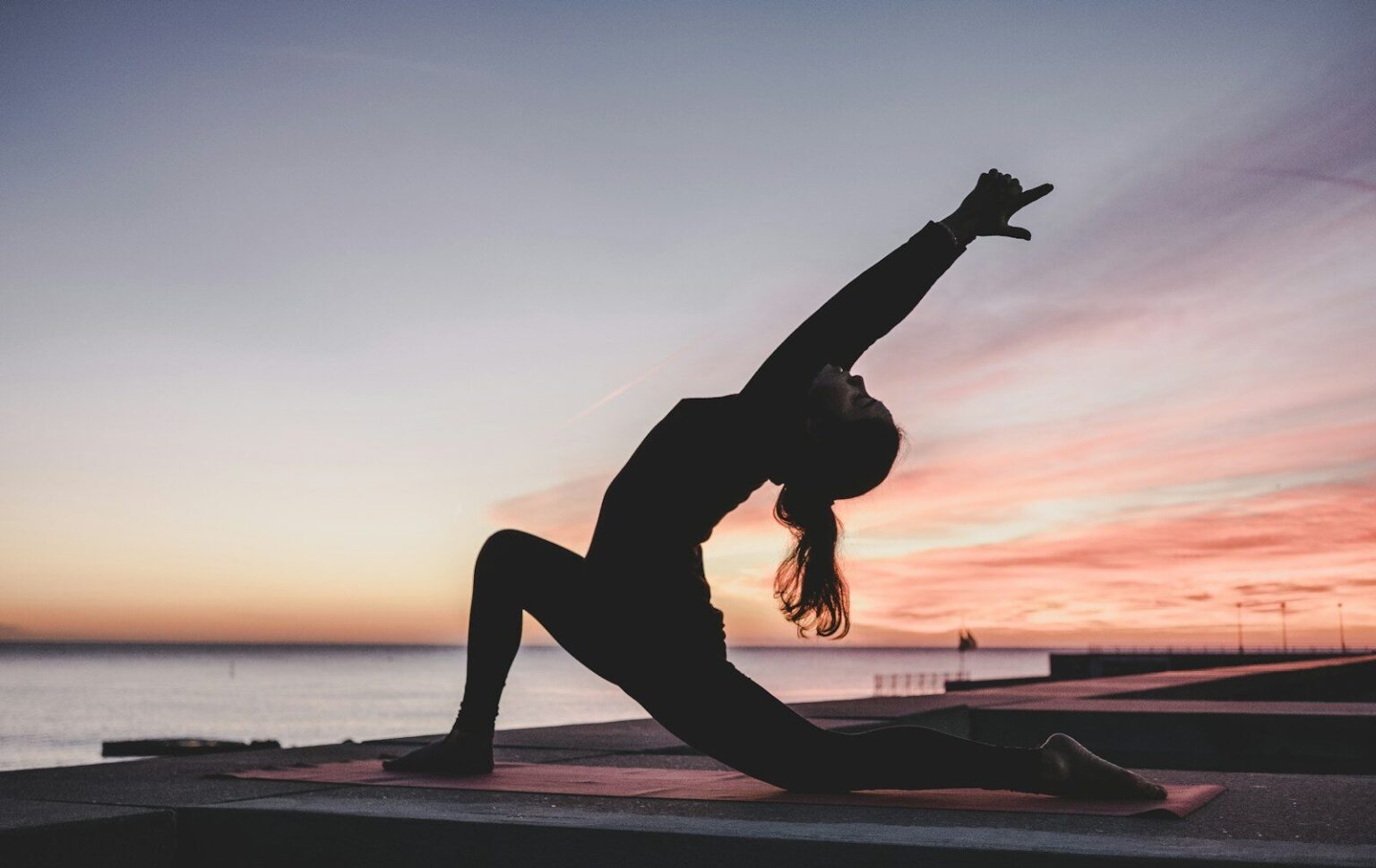

Exercising during the summer can feel more challenging due to higher temperatures, increased humidity, and stronger sun exposure. While staying active is important year-round, hot weather can place extra stress on your body, increasing the risk of fatigue, dehydration, and overheating.
One of the simplest ways to stay safe and comfortable during summer exercise is to choose the right time of day. Early morning and evening workouts are often the best options for maintaining activity while avoiding peak heat.
Why Heat Affects Exercise Performance
When you exercise in hot conditions, your body works harder to regulate temperature. This can lead to:
- Increased heart rate
- Faster fatigue
- Higher risk of dehydration
- Muscle cramps
- Dizziness or lightheadedness
- Reduced exercise performance
If the body cannot cool itself efficiently, it may struggle to sustain physical activity safely.
The Benefits of Exercising in Cooler Parts of the Day
Early Morning Workouts
Morning exercise is often done before temperatures rise, making it a comfortable and refreshing way to start the day.
Benefits include:
- Cooler air temperatures
- Improved energy and focus for the day ahead
- Reduced sun exposure
- Easier consistency with daily routines
Evening Workouts
Exercising later in the day can also help you avoid peak heat while offering a way to unwind.
Benefits include:
- Lower temperatures after sunset
- Opportunity to relieve daily stress
- More relaxed pace for movement and recovery
- Flexible time for longer walks or outdoor activities
Tips for Safe Summer Exercise
Even when exercising at cooler times of the day, it’s important to take additional precautions:
- Drink water before, during, and after activity.
- Wear lightweight, breathable clothing.
- Use sunscreen if exercising outdoors.
- Warm up gently to prepare your muscles.
- Avoid overexertion, especially in humid conditions.
- Listen to your body and rest when needed.
Choosing the Right Type of Activity
During hot weather, it may also help to adjust the intensity or type of exercise you do. Consider:
- Walking instead of running on extremely hot days
- Light stretching or mobility work
- Swimming or water-based exercise
- Shorter, more frequent activity sessions
These options can help you stay active while reducing strain on your body.
Stay Active Without Overheating
Consistency matters more than intensity when it comes to maintaining long-term health and mobility. By adjusting your workout schedule to earlier or later in the day, you can continue to move regularly while reducing the risks associated with heat exposure.
Small adjustments like timing your exercise wisely can make a big difference in comfort, safety, and performance throughout the summer.
Important Disclaimer: Before performing any exercise, stretch, mobility activity, balance exercise, or physical activity described in this article, you should consult a qualified healthcare practitioner, physiotherapist, or physician to determine whether the activity is appropriate for your individual health status, fitness level, and medical history.
The information provided in this article is for educational and informational purposes only and is not intended to replace professional medical advice, diagnosis, or treatment. Participation in any exercise or physical activity is undertaken at your own risk.
By choosing to perform any exercises, stretches, or activities described herein without first consulting a qualified healthcare practitioner, you acknowledge and accept full responsibility for your participation. PhysioIT, its practitioners, employees, affiliates, and contributors assume no liability for any injury, loss, damage, or adverse outcome that may result from the use or misuse of the information provided in this article.