
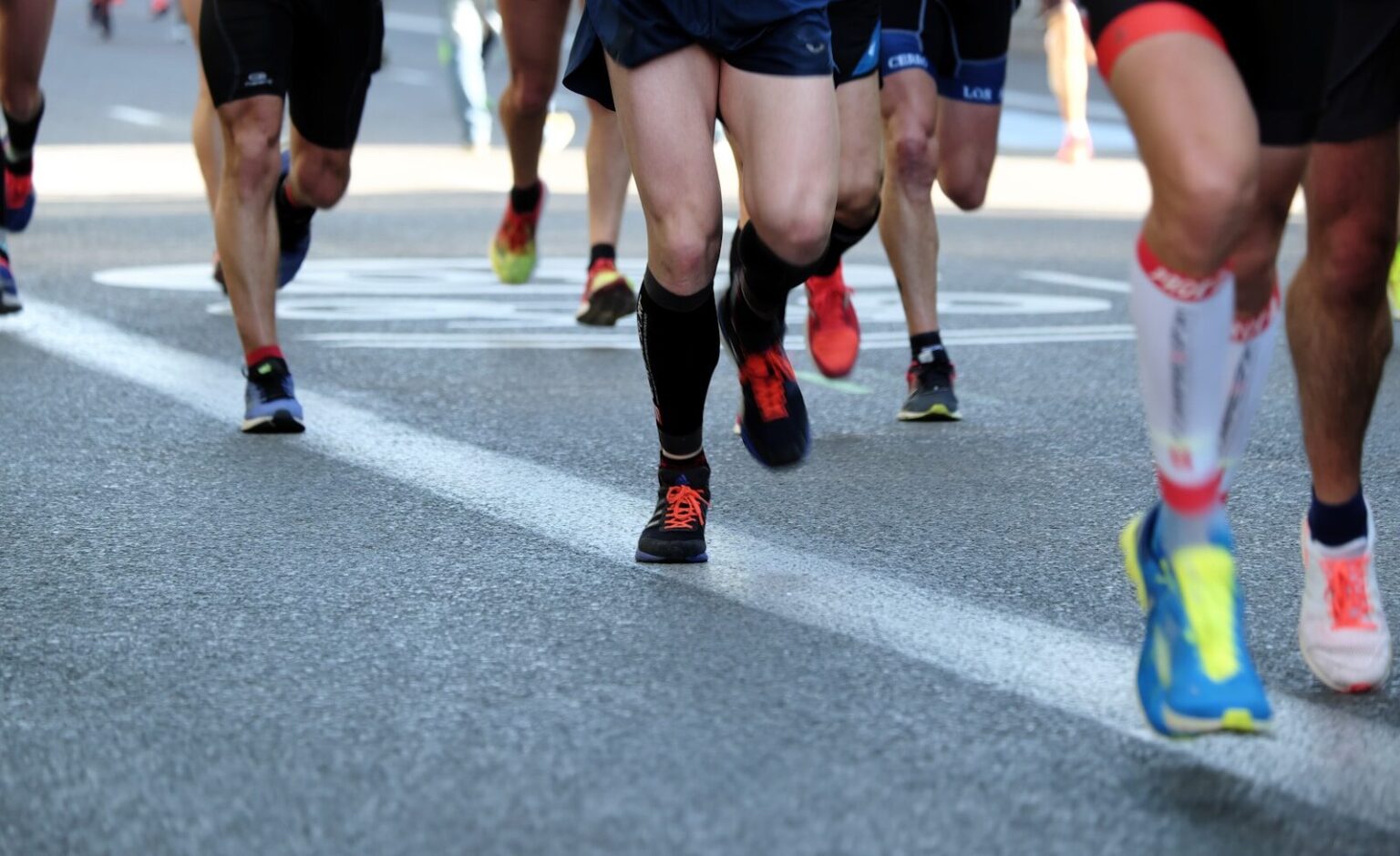

Running is one of the most accessible and effective forms of exercise. It improves cardiovascular health, builds endurance, and supports overall fitness. However, it also places repetitive stress on the muscles and joints of the lower body. Without proper preparation and recovery, this can increase the risk of injury.
One of the simplest ways to protect your body is to incorporate stretching before and after every run—especially during hot weather when fatigue and muscle strain can occur more easily.
Why Running Injuries Happen
Running involves repeated impact and loading through the feet, ankles, knees, hips, and lower back. Common contributing factors to running injuries include:
- Inadequate warm-up
- Tight or fatigued muscles
- Poor flexibility
- Overtraining or sudden increases in distance or intensity
- Running in hot conditions without proper preparation
- Muscle imbalances or poor movement mechanics
Injuries such as shin splints, knee pain, Achilles tendon irritation, and hip discomfort are often linked to these factors.
The Role of Stretching in Injury Prevention
Stretching helps prepare the body for movement and supports recovery afterward. When done correctly, it can:
- Improve muscle flexibility
- Enhance joint mobility
- Increase blood flow to working muscles
- Reduce muscle stiffness and tension
- Support better movement mechanics
- Lower the risk of overuse injuries
Before Your Run: Focus on Dynamic Stretching
Before running, your body benefits most from dynamic stretching, which involves controlled movement rather than holding static positions.
Examples of Pre-Run Movements:
- Leg swings (forward and sideways)
- Walking lunges
- High knees
- Butt kicks
- Arm circles
These movements help activate muscles and prepare your body for the demands of running.
After Your Run: Focus on Static Stretching
After your run, your muscles are warm and more receptive to static stretching, which involves holding stretches for longer periods.
Key Areas to Stretch:
- Calves
- Hamstrings
- Quadriceps
- Hip flexors
- Glutes
Hold each stretch gently for 20–30 seconds without bouncing.
Why Hot Weather Requires Extra Care
Running in hot conditions places additional stress on the body. Higher temperatures can lead to:
- Faster fatigue
- Increased dehydration risk
- Reduced muscle efficiency
- Higher likelihood of cramps or strains
Stretching becomes even more important in hot weather because it helps maintain flexibility and reduces the risk of overloading already fatigued muscles.
Additional Tips for Safe Running
- Stay well hydrated before, during, and after your run.
- Avoid running during peak heat hours when possible.
- Wear breathable, moisture-wicking clothing.
- Gradually increase intensity and distance.
- Listen to your body and rest when needed.
Run Strong, Recover Well
Consistent stretching before and after running is a simple but powerful way to support long-term joint and muscle health. Whether you’re a beginner or an experienced runner, taking a few extra minutes to prepare and recover can help reduce injury risk and improve overall performance.
By making stretching a regular part of your routine—especially in warmer weather—you can continue running safely and comfortably.
Important Disclaimer: Before performing any exercise, stretch, mobility activity, balance exercise, or physical activity described in this article, you should consult a qualified healthcare practitioner, physiotherapist, or physician to determine whether the activity is appropriate for your individual health status, fitness level, and medical history.
The information provided in this article is for educational and informational purposes only and is not intended to replace professional medical advice, diagnosis, or treatment. Participation in any exercise or physical activity is undertaken at your own risk.
By choosing to perform any exercises, stretches, or activities described herein without first consulting a qualified healthcare practitioner, you acknowledge and accept full responsibility for your participation. PhysioIT, its practitioners, employees, affiliates, and contributors assume no liability for any injury, loss, damage, or adverse outcome that may result from the use or misuse of the information provided in this article.