
Summer is a great time to get outside and enjoy activities such as walking, hiking, cycling, gardening, sports, and family outings. While the warmer weather encourages us to be more active, it can also increase the risk of injuries if our bodies are not properly prepared for physical activity.
Two simple habits can go a long way toward keeping you safe and active this summer: warming up before exercise and staying properly hydrated. These preventative measures can help reduce strain on your muscles and joints while supporting overall performance and recovery.
Why Summer Activities Increase Injury Risk
Many people become more active during the summer months after spending more time indoors during the winter and early spring. Jumping into activities without adequate preparation can increase the risk of:
- Muscle strains
- Ligament sprains
- Joint pain
- Overuse injuries
- Heat-related fatigue
- Reduced physical performance
Whether you’re playing recreational sports, working in the yard, or exploring local trails, preparing your body beforehand is essential.
The Importance of Warming Up
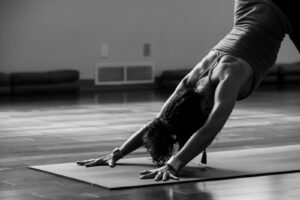
A proper warm-up gradually increases your heart rate, improves blood flow to your muscles, and prepares your body for movement.
Benefits of Warming Up
- Increases muscle flexibility
- Improves joint mobility
- Enhances coordination and balance
- Reduces the risk of strains and sprains
- Helps your body transition safely into activity
Even five to ten minutes of preparation can make a significant difference.
Simple Warm-Up Exercises
Before outdoor activities, consider including:
Brisk Walking
Start with a few minutes of easy walking to increase circulation and gently raise your heart rate.
Arm Circles
Perform controlled arm circles forward and backward to loosen the shoulders and upper body.
Leg Swings
Gently swing each leg forward and backward to improve hip mobility and prepare the lower body for movement.
Bodyweight Squats
A few slow squats can activate the muscles in your hips, thighs, and core.
Dynamic Lunges
Controlled lunges help warm up multiple muscle groups while improving balance and coordination.
Don’t Forget Hydration
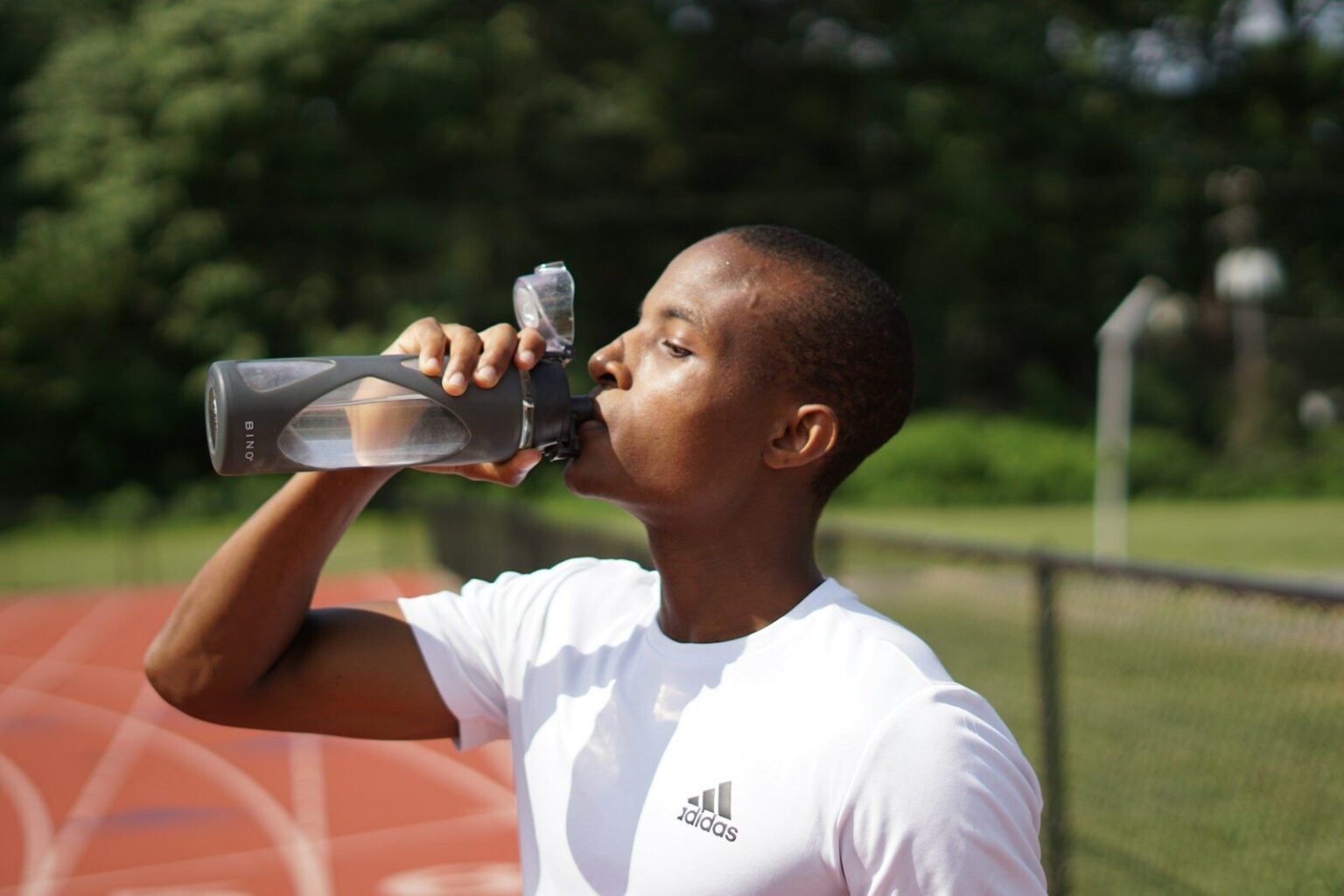
Hydration is just as important as warming up, especially during hot and humid weather.
When you’re active outdoors, your body loses fluids through sweat. If these fluids aren’t replaced, dehydration can occur, leading to:
- Fatigue
- Muscle cramps
- Dizziness
- Reduced concentration
- Decreased athletic performance
Hydration Tips for Summer
- Drink water throughout the day, not just during activity.
- Begin outdoor activities well hydrated.
- Carry a water bottle whenever you’re exercising or spending time outdoors.
- Take regular water breaks, especially during prolonged activity.
- Increase fluid intake on particularly hot or humid days.
Listen to Your Body
While staying active is important, it’s equally important to recognize when your body needs rest. If you experience pain, excessive fatigue, dizziness, or signs of overheating, stop the activity and seek a cool, shaded environment.
Gradually increasing activity levels and pacing yourself can help prevent injuries and ensure a safer, more enjoyable summer season.
Enjoy an Active and Healthy Summer
Summer is the perfect season to enjoy movement and outdoor recreation. By taking a few minutes to warm up before activity and prioritizing hydration throughout the day, you can help protect your muscles and joints, reduce the risk of injury, and make the most of the season.
Whether you’re hiking, cycling, gardening, playing sports, or simply enjoying a walk in the sunshine, preparation is key to staying healthy and active all summer long.
Important Disclaimer: Before performing any exercise, stretch, mobility activity, balance exercise, or physical activity described in this article, you should consult a qualified healthcare practitioner, physiotherapist, or physician to determine whether the activity is appropriate for your individual health status, fitness level, and medical history.
The information provided in this article is for educational and informational purposes only and is not intended to replace professional medical advice, diagnosis, or treatment. Participation in any exercise or physical activity is undertaken at your own risk.
By choosing to perform any exercises, stretches, or activities described herein without first consulting a qualified healthcare practitioner, you acknowledge and accept full responsibility for your participation. PhysioIT, its practitioners, employees, affiliates, and contributors assume no liability for any injury, loss, damage, or adverse outcome that may result from the use or misuse of the information provided in this article.